
Commercial Property. Explained. | A CBRE Private Wealth series
By Ingrid Filmer
Senior Managing Director, Capital Markets – Private Wealth, CBRE
When people first start looking at commercial property, one of the quickest shortcuts they use is the name on the building. A major supermarket, national retailer, fast-food brand or government service feels reassuring. The logic is understandable: if I know the brand, surely I know the tenant. But in commercial property, those can be two very different things.
The most important question is not simply, ‘Who is trading from the property?’ It is, ‘Who is legally responsible for paying my rent?’ That answer sits in the lease, and it can materially change the risk of the investment.
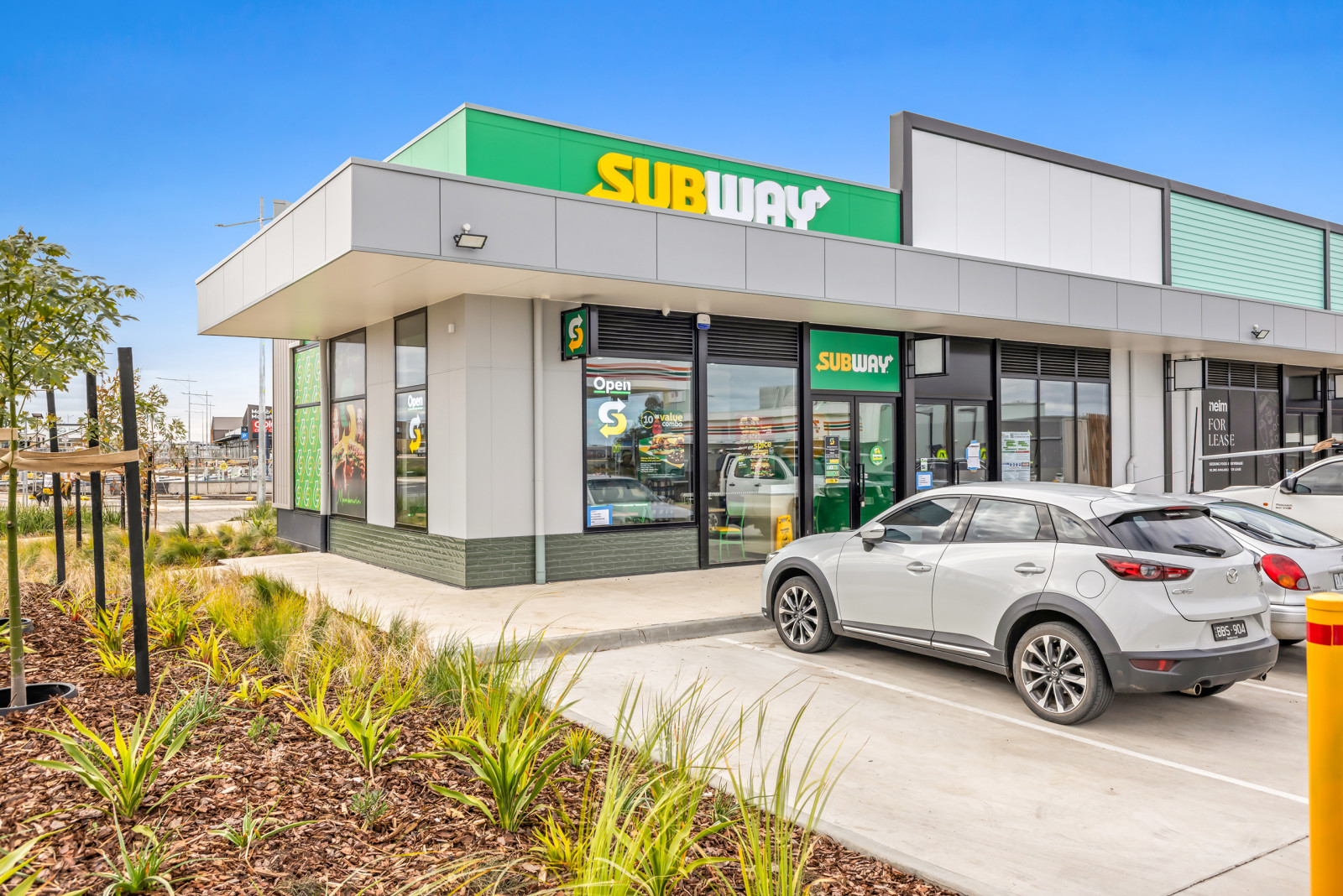
A store carrying a famous national logo might be leased to the listed parent, a subsidiary, a head tenant or an independent franchisee. From the street, those properties can look identical. From an investment perspective, they are not.
Start with the exact legal tenant
The first thing I want a buyer to do is look at the lease and identify the exact legal entity named as tenant. Do not stop at the trading name. Find the company name and its ACN or ABN, then confirm what that entity actually is.
ASIC records, ABN Lookup, company searches and corporate disclosures can help you build the picture. Is the tenant listed, a subsidiary, an independent franchisee or a government body? Is there a parent or personal guarantee?
This is what commercial property people mean when they talk about the tenant ‘covenant’. It sounds like jargon, but the idea is simple. Covenant is the financial strength and reliability of the party that is legally required to meet the lease obligations.
The simple rule: do not buy the logo. Identify the legal tenant, understand the business behind it and then work out what security you actually have.
A listed company is not automatically a parent guarantee
One of the easiest assumptions to make is that if the tenant is connected to a large corporate group, the whole group stands behind the lease. That is not necessarily true.
A lease may be held by a subsidiary with limited assets of its own. The parent company may own that subsidiary, but ownership alone does not necessarily mean the parent has guaranteed every obligation under the lease. If you want parent-company protection, look for an actual guarantee or another binding form of support.
Large businesses often use separate operating entities. That is normal, but the buyer still needs to know which entity owes the rent and whether anyone else stands behind it.
Franchise property needs one extra question
Franchise systems are a perfect example. Different franchise groups structure their property leases differently. In some systems, the national franchisor or a related corporate entity takes the head lease and the franchisee operates the store. In others, the franchisee leases the property directly from the landlord.
A head lease to a major franchisor can look attractive, but read the assignment provisions. The head tenant may be able to transfer the lease to a franchisee. If that happens, does the original tenant stay liable? Is replacement security required? Does the landlord have consent rights?
If the lease is directly to a franchisee, assess that franchisee as a business. How many stores do they operate? How long have they been in the system? How important is this site? What security do you hold?
Private does not mean weak
This is a point I think investors sometimes get wrong. There can be a tendency to assume that listed is good and private is bad. Commercial property is not that simple.
Some private operators run exceptional businesses because it is literally their own money on the line. They may know the customers, costs and location intimately and have a huge personal investment in making it succeed.
Childcare is a good example. A private operator with three or four centres may know the occupancy, staff, families and local demand intimately. Their own wealth may be tied to those businesses, making them a highly committed tenant.
Equally, a private company can be thinly capitalised or dependent on one location. That is why the answer is not to categorise all private tenants as good or bad. The answer is to understand the specific business and the security supporting the lease.
Private versus listed is not a quality score. It is simply one piece of information. The real job is to understand the tenant in front of you.
Government tenants also need to be identified properly
Government-backed occupancy can be attractive to investors, but even here the lease needs to be read carefully. ‘Government tenant’ is a broad description, not a legal entity.
A lease may be with the Commonwealth, a state department, an agency, a statutory authority, a local council or another public body. Some services that the public thinks of as one government brand may sit within a different legal agency or department. As with any other tenant, identify the contracting party and understand the rights in the lease.
Government leases can also contain different relocation, termination, security and make-good provisions. The service delivered from the premises is only the beginning of the analysis.
Security matters most when the covenant is smaller
If the tenant is a private company or franchisee, security becomes especially important. A commercial lease might be supported by a bank guarantee, cash bond, directors’ guarantees, personal guarantees or a parent-company guarantee.
A bank guarantee is common, but buyers should never stop at the words ‘six-month bank guarantee’. Check the actual document.
Check the amount, expiry date, beneficiary, issuing bank and where the original is held. A lease can require six months of security while the guarantee on file is expired or for the wrong amount.
Security does not turn a weak tenant into a strong one, but it can materially improve the landlord’s protection if something goes wrong.
The Harris Scarfe lesson: brand recognition is not credit analysis
Australian retail history gives us a useful reminder of how quickly corporate circumstances can change. Harris Scarfe had been part of a group ultimately owned by Steinhoff International, which became engulfed in a major accounting scandal from late 2017. Harris Scarfe was later sold, entered administration in December 2019 and was acquired by Spotlight Group in 2020.
The point is not that one ownership model is better. Spotlight Group itself is privately held. The lesson is that a familiar retail sign does not tell you the full credit story.
Ownership can change, businesses can be sold and the party behind a lease can change.
That is why a buyer should assess the lease covenant at the time of purchase rather than relying on assumptions formed from brand familiarity.
Look beyond the company name
Once you know who the tenant is, ask whether the business makes sense. For listed companies, look at results, announcements, store openings and closures. For private businesses, build the picture from the information available through due diligence.
Also look at the relationship between the tenant and the site. Is this a location the business would fight to keep? Have they invested heavily in fit-out? Is the store busy? Is relocation difficult? A tenant deeply invested in a successful location may have strong reasons to stay, listed or not.
Conversely, even a very large corporation may decide that one particular site no longer fits its strategy. Size alone does not remove property-specific risk.
Three buildings. One logo. Three very different investments.
Imagine three identical fast-food restaurants carrying the same brand.
Property A is leased directly to a substantial corporate entity. Property B is leased to a subsidiary but supported by a parent-company guarantee. Property C is leased directly to an independent franchisee with a bank guarantee and personal guarantees.
Do not assume A is automatically best and C worst. Property C might be run by an experienced multi-site franchisee with strong personal backing and a great site. Property A might have a strong corporate covenant but a shorter lease or weaker property fundamentals.
Commercial property is rarely about one variable. Tenant strength is important, but it sits alongside rent, lease term, location, property quality and the price you are being asked to pay.
What should a buyer actually check?
Ask a few simple questions. Who is named on the lease? Who owns it? Who guarantees the obligations? What security is held? How strong is the business? How important is the site? And if the tenant failed, how easily could the property be re-leased?
Those questions turn a vague feeling of ‘that looks like a good brand’ into a genuine assessment of risk.
The takeaway
A big-name tenant can absolutely be a strength. National brands, listed companies, government agencies and large corporate groups can provide excellent lease covenants. But the name on the awning is not the same thing as the legal promise to pay your rent.
Likewise, a smaller private tenant can be an outstanding operator and a very good covenant when you understand the business, the people behind it and the security in place.
So do not ask only: ‘Do I recognise this tenant?’ Ask: ‘Who is actually on my lease, what stands behind them, and how comfortable am I with that risk?’
That is commercial property investing in a nutshell. Not accepting the headline. Looking underneath it.
Commercial property does not need to feel too hard. Follow the series and let’s demystify it together.